
Homo Plasticus
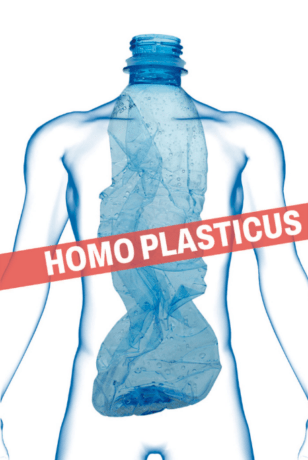
Microplastics and nanoplastics pollute the environment and pose a threat to humans and animals. Since 2019, scientists around the world have been searching for the answer to the still unresolved but pressing question: does plastic also enter the human body? Research is making rapid progress.
Researchers in Barcelona, Vienna, Bologna, Grenoble and Catania have already detected microplastics in human organs and bodily fluids: in the lungs, intestines, heart, blood and semen, in the placenta and in breast milk. However, detecting plastic in human tissue is a mammoth task, both technically and scientifically. Plastic particles range from a few millimetres to the nanoscale and are difficult to detect, let alone capture.
With the help of in vitro and in vivo studies and test groups, researchers are investigating the health consequences of microplastics. An imbalance in the microbiome, immune reactions, inflammation in the lungs and intestines, DNA damage and the suspicion that it causes cancer raise the serious question: are microplastics a threat to public health?
This documentary shows the work of researchers across Europe in this still largely unknown field. They want to understand how plastic enters our bodies and changes them. Is Homo sapiens “plastic sick”? Is it gradually evolving into Homo plasticus?